Light begins with the room.
LightVista approaches interior lighting through room use, furniture, surfaces, daylight, and visual tasks before fixture style enters the decision.
A method built on observation.
Practice begins by looking closely at how a space changes from daylight to evening. Learners mark work surfaces, reading areas, mirrors, circulation paths, focal points, dark zones, and places where glare or deep shadow interrupts the room.
Sketches, movable lamps, photographs, and material samples turn those observations into testable lighting choices. Instead of guessing, learners compare beam angle, output, color temperature, CRI, mounting height, and reflected light one variable at a time.
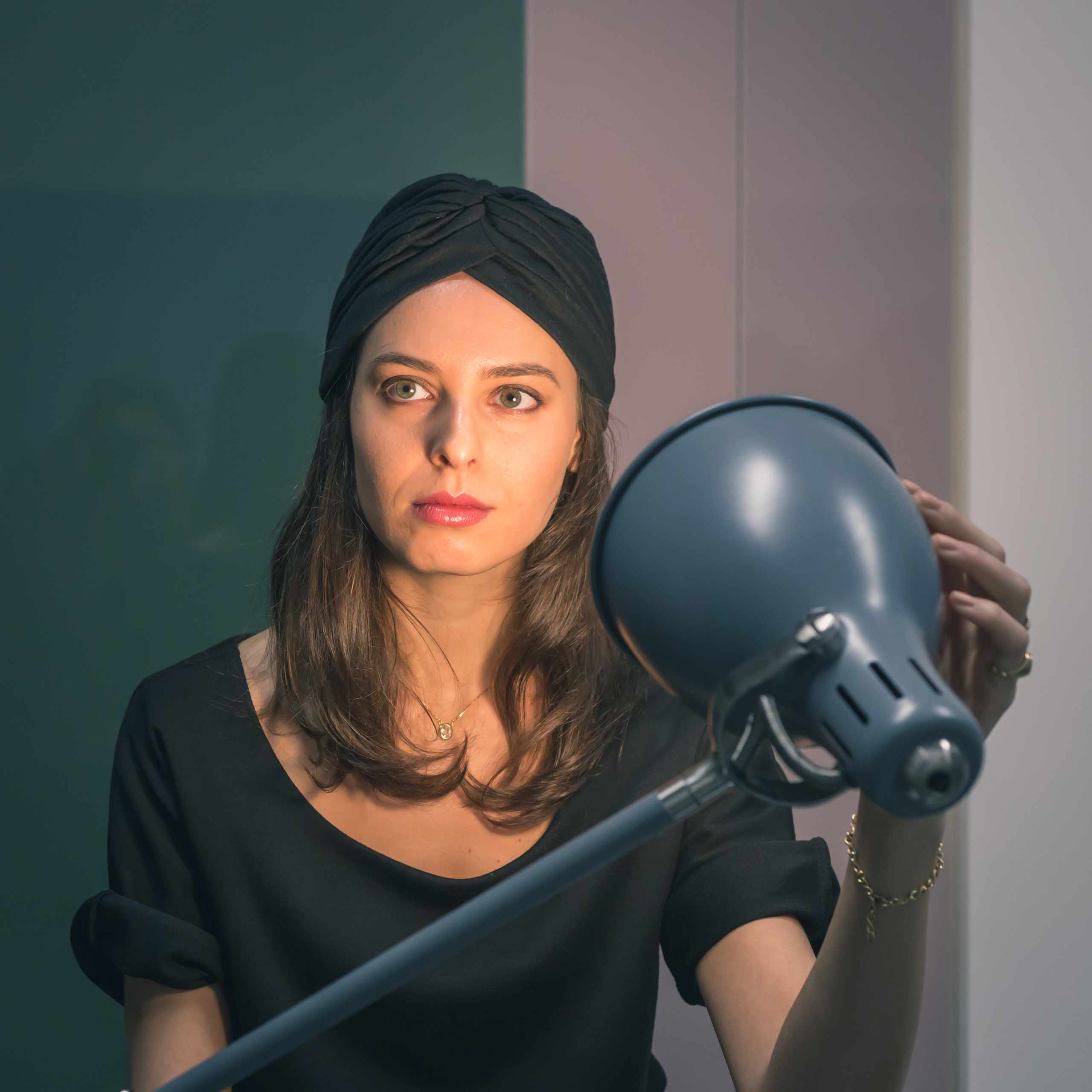
Clear steps, visible decisions.
Observe The Space
Record daylight, furniture, surfaces, eye levels, activities, glare sources, and uneven brightness before placing fixtures.
Separate The Layers
Plan ambient, task, and accent lighting independently so each layer has a useful and distinct purpose.
Test Before Fixing
Move a lamp, change its angle, and compare shadows, hotspots, beam spread, and reflected light before finalizing a layout.
Four principles for better light.
Purpose Before Fixtures
Every downlight, pendant, wall light, or portable lamp should support a specific activity, surface, or focal point.
One Variable At A Time
Comparing one change at a time makes brightness, color temperature, beam width, and shadow easier to understand.
Eye Level Matters
A lighting plan is reviewed while seated, standing, working, and facing a mirror—not only from the ceiling plan.
Installation Stays Qualified
The course supports planning and communication, while wiring, compliance checks, and permanent installation remain with qualified professionals.
Bring one lighting question.
Describe the room, the activity it needs to support, and the problem you can see. Clarify the course fit, practice tools, or a sensible place to begin.
Your Starting Point